
Government to extend Free School Breakfast Clubs to 2,000 more schools from April 2026
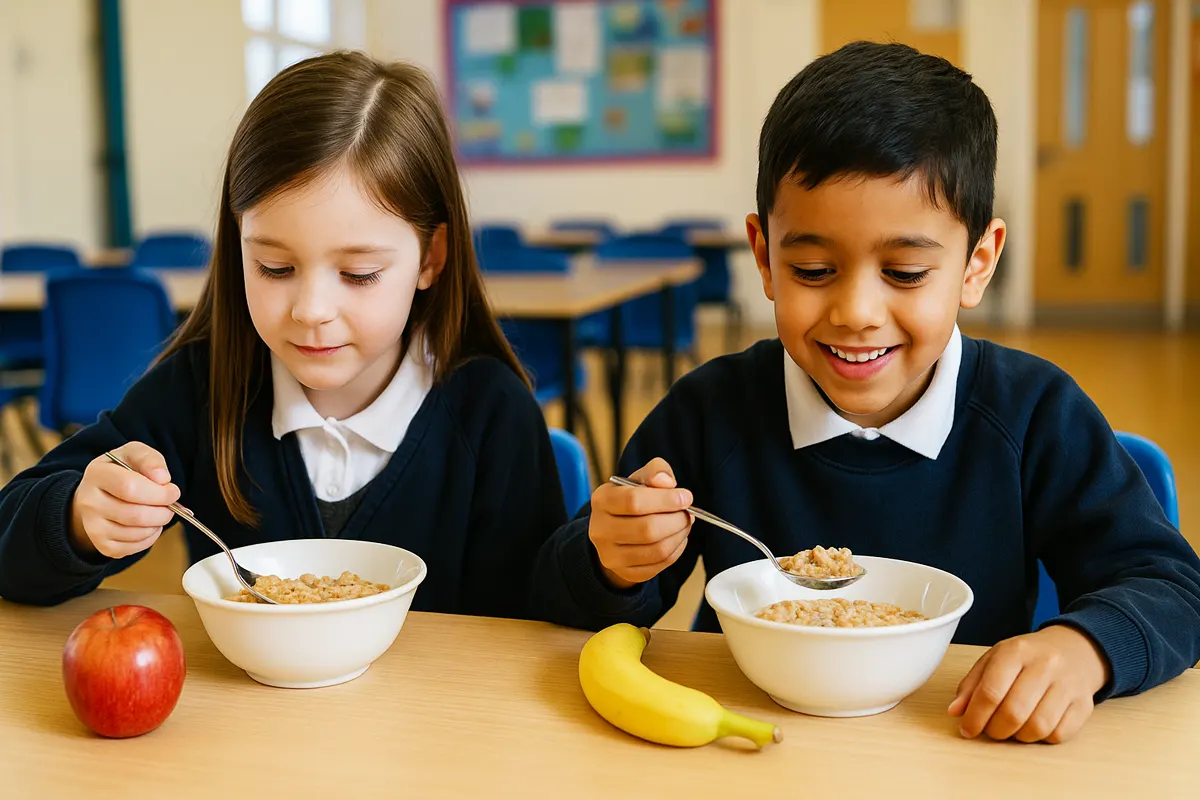
Free School Breakfast Clubs
School Search explains what families and schools need to know about the government’s plan to extend breakfast provision to 2,000 additional schools from April 2026. The expansion aims to ease the morning rush, improve punctuality and support children’s readiness to learn, while delivering savings for parents and carers.
Under the proposal, the national roll-out will build on an early adopter network of around 750 schools, backed by £80 million of investment. The Department for Education has signalled that detailed guidance on eligibility, implementation and application routes will follow later in the year. This expansion of Free School Breakfast Clubs is expected to reach up to half a million more pupils, with typical families seeing time savings worth about 95 hours a year and potential household cost reductions of around £450.
What’s changing and when?
- April 2026: The next phase begins, inviting approximately 2,000 new state schools to join.
- National roll-out: Builds on the early adopter scheme already improving attendance, attainment and behaviour.
- Further details due: The Department for Education will publish full application and delivery guidance later in the year.
Why breakfast provision matters

Free School Breakfast Clubs UK
A nutritious breakfast supports concentration, memory and classroom engagement. For many families, the extra time before lessons also provides reliable wraparound care that fits the working day.
- Healthier starts: Calm routines and balanced options set the tone for learning.
- Better outcomes: Schools report improvements in attendance and punctuality when clubs are well-run.
- Practical support: Parents gain flexibility for commuting, shifts and caring responsibilities.
How the scheme links to wider family support
The expansion complements government measures such as extended funded childcare for working parents and the roll-out of Best Start Family Hubs—local “one-stop shops” offering classes, activities and advice so children can get the best possible start in life.
What a high-quality breakfast club looks like
- Open and inclusive: Available to all pupils, with clear communication about access.
- Nutritional offer: Simple, healthy items (e.g., wholegrains, fruit, dairy alternatives) that meet school food standards.
- Structured supervision: Safe spaces, trained staff and calm activities that prepare pupils for the school day.
- Safeguarding first: Robust registration, allergy procedures and attendance checks.
- Community partnerships: Links with local providers to reduce waste and support sustainability.
Preparing your school
- Map need and capacity: Estimate take-up, kitchen access, staffing and space (hall, canteen or classroom).
- Plan staffing and training: Define roles, safeguarding, first aid and food hygiene requirements.
- Design the offer: Create a simple rotating menu and a calm activity routine (reading, quiet games).
- Engage parents and carers: Share times, access points and how dietaries will be managed.
- Set up monitoring: Track attendance, punctuality, behaviour and learning markers to measure impact.
Schools considering the expansion of Free School Breakfast Clubs should also review timetabling, cleaning schedules and any adjustments to drop-off procedures to maintain safeguarding and smooth site operations.
What families can do now
- Check school updates: Look out for letters or newsletters announcing club availability and start times.
- Share dietary needs: Inform the school about allergies or cultural preferences early.
- Trial a routine: Introduce earlier bedtimes and morning checklists to reduce rush and lateness.
Funding and implementation timeline
The expansion is funded within the Department for Education’s spending review settlement. While full criteria and application steps are pending, schools can begin preliminary planning—menu costing, staffing models and space allocation—so they are ready to move quickly once guidance is released.
Frequently asked questions
What are Free School Breakfast Clubs and who can attend?
They are before-school sessions offering a light, healthy breakfast and a calm start to the day. They are designed to be inclusive, with access for all pupils in participating schools.
How will my child benefit?
Families report smoother mornings and fewer late arrivals. Teachers often see improved focus, attendance and behaviour after consistent participation.
Will every primary school offer a place?
The government intends to expand provision significantly over time. The Free School Breakfast Clubs programme is growing in phases, and further information on eligibility will follow.
What does it cost?
For participating schools, breakfasts are provided at no charge to families. Schools receive support to set up and run the club in line with published guidance.
Key takeaways for School Leaders
- April 2026 expansion: Approximately 2,000 additional schools to join.
- Proven impact: Early adopters report gains in attendance, punctuality and classroom readiness.
- Act early: Start planning staffing, safeguarding and menus ahead of detailed guidance.
School Search will update this page when the Department for Education publishes the full application process and technical guidance for Free School Breakfast Clubs. If you lead a school or trust and want to prepare, begin by mapping capacity, identifying staff and drafting a simple, healthy menu that meets standards.
Latest educational content from the UK

Best Courses to Study in the UK: Unlock Your Global Career
Studying in the United Kingdom offers international students the chance to immerse themselves in a diverse and academically rigorous...

A-level vs IB vs BTEC vs T Levels: Which Pathway Fits Your Child?
One of the biggest decisions families face when applying to UK boarding schools is choosing the right curriculum. While...

9 Tips for Returning to Study as an Adult
Whether it’s been a few years or even a few decades, deciding to return to study as an...

Top State Secondary Schools in Birmingham Since 2020-2025
Discover the leading state secondary schools in Birmingham that have maintained exceptional academic standards and consistent performance since 2020....

Best State Schools for Oxbridge: Top 10 Schools to Get Your Kids into Oxford and Cambridge
If you want your child to attend one of the most prestigious universities in the world, Oxford and Cambridge,...