
Private Schools Could See Higher Ofsted Fees in the Future
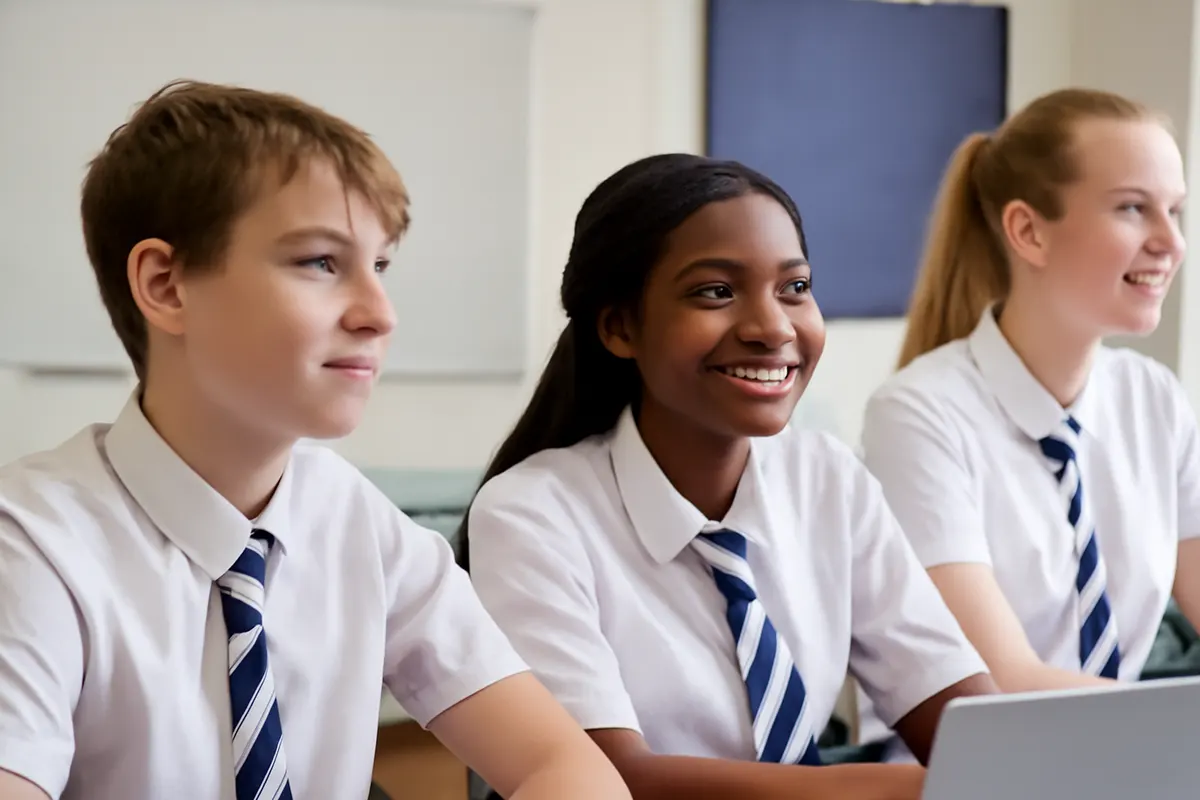
Students Engaged in Class
Private schools in England may soon face increased fees for their Ofsted inspections under new proposals put forward by the Department for Education (DfE). This could impact many independent schools that are currently subject to Ofsted’s regulatory process. The UK government, led by Education Secretary Bridget Phillipson, argues that taxpayers should not be subsidising private institutions in this way. This article explores the potential effects of these proposals and what they mean for private schools.
Background on Ofsted Inspections for Private Schools
Ofsted inspects a significant number of private schools in England, covering approximately 1,150 independent schools, which make up nearly half of the total independent schools in the country. These inspections help to ensure that schools are providing a high standard of education and are complying with regulatory standards.
Proposed Increase in Inspection Fees
Currently, private schools inspected by Ofsted are required to pay an annual fee, which varies depending on the size of the school. For example, schools with between 150 and 399 pupils currently pay £2,500 per year. However, under the new proposals, this fee could rise to £3,300 by the 2030-31 academic year. The Department for Education has justified these increases, stating that the additional funds will help improve the inspection process and support state schools.
Why Is the Government Introducing These Changes?
Education Secretary Bridget Phillipson has made it clear that the taxpayer should not be responsible for subsidising private schools, which she considers “private businesses.” The government aims to redirect these funds to improve standards in state schools, ensuring every child, regardless of background, has access to high-quality education.
Impact on Special and Faith Schools
Ofsted’s regulatory reach extends to a wide variety of schools, including special and faith-based schools. According to the DfE, 63% of the independent schools inspected by Ofsted last year were special schools, which often cater to students with special educational needs and disabilities (SEND). Furthermore, just under 20% of non-association private schools were faith schools. These institutions are likely to face significant cost increases under the new fee structure.
Legal and Public Backlash
In addition to the fee increase, the UK government has introduced a VAT on private school fees. This controversial policy has faced criticism from parents and educational organisations alike, leading to a legal challenge in the High Court. The Independent Schools Council (ISC) argued that this policy is discriminatory, as it disproportionately impacts families who choose to send their children to private institutions. Despite these concerns, the High Court dismissed the case in June, ruling that the VAT is legal.
Conclusion
As the proposals to increase Ofsted inspection fees for private schools move forward, they are likely to spark further debate about the role of private schools in the UK education system. While the government insists that the changes are necessary to fund improvements in state schools, many in the private education sector feel that these measures will unfairly burden parents and schools. It remains to be seen how the situation will evolve in the coming years, but one thing is clear: the landscape of private school funding in the UK is set to change.
Key Takeaways
- The UK government plans to increase Ofsted inspection fees for private schools, with a rise of up to £800 by 2030-31.
- These changes are aimed at reducing the taxpayer burden and improving funding for state schools.
- Legal challenges to the new policies, including VAT on private school fees, have been unsuccessful so far.
- Special and faith schools, which make up a large proportion of non-association private schools, will be particularly affected by these changes.
Latest educational content from the UK
School Uniform Savings 2026: 10 tips from parents and Which? experts
With the overall cost of kit still a pressure for UK families, it pays to plan for school uniform...

Smart Tips for Finding a Cheap School Uniform in the UK
For many families across the UK, back-to-school shopping can quickly become one of the most expensive times of the...

Private School Vs State School in the UK: Which is Better?
In the UK, around 6% of school children are educated by the independent sector (according to the Independent School’s...

Students need stronger support for back-to-school anxiety
Returning to school after a long break can be an exciting time, but for many young people it also...

Over Half of UK School Cyber Attacks Originate from Students
Recent reports show that UK School Cyber Attacks are increasingly being carried out by pupils themselves. While experimenting with...